Sintu Kumar

Cryptocurrency Basics in Cleveland Ohio: A Beginner’s Guide to Digital Currency
Introduction to Cryptocurrency Basics in Cleveland Ohio
Understanding cryptocurrency basics in Cleveland Ohio can help beginners learn about digital currencies, blockchain technology, crypto wallets, and online transactions. Cryptocurrency is a type of digital asset that uses cryptography to secure transactions. Many cryptocurrencies operate on decentralized networks rather than relying entirely on traditional financial institutions.
Whether you are a student, a technology enthusiast, or someone interested in learning about blockchain, understanding the fundamentals is an important first step. At askcryptobonus.com, our goal is to provide educational information that helps readers understand cryptocurrency concepts, online crypto platforms, digital wallets, and related security considerations.
This beginner-friendly guide explains how cryptocurrency works, what risks to understand, and how to explore digital currency responsibly.
Find Cryptocurrency Basics in Cleveland Ohio:-
| Brand | |
| Magicianbet | Click Here |
| Gold Ring Casino | |
| Slotbunny Casino |
What Is Cryptocurrency?
Cryptocurrency is a digital asset designed to operate through cryptographic security and, in many cases, blockchain technology. Unlike physical cash, cryptocurrencies exist electronically and can be transferred between compatible digital wallets.
Examples of well-known cryptocurrencies include Bitcoin, Ethereum, and Litecoin. Each digital asset has its own features, network, and use cases.
Bitcoin was introduced as a peer-to-peer electronic payment system. Ethereum expanded the possibilities of blockchain technology by supporting smart contracts and decentralized applications.
Learning cryptocurrency basics in Cleveland Ohio starts with understanding that digital currencies are not all the same. Their prices, transaction speeds, network fees, and risks can vary significantly.
How Does Cryptocurrency Work?
Most cryptocurrency transactions rely on a distributed network of computers that verify and record activity. Many networks use a blockchain, which is a digital ledger containing records organized into connected blocks.
A typical transaction involves several steps:
- A user initiates a transaction from a compatible wallet.
- The transaction is broadcast to the relevant network.
- Network participants validate it according to the protocol.
- The transaction is included in the ledger.
- The wallet or blockchain explorer reflects the updated transaction status.
Different cryptocurrencies use different consensus mechanisms. Bitcoin, for example, uses proof of work, while Ethereum currently uses proof of stake.
Transactions may take different amounts of time to confirm. Network congestion and transaction fees can affect processing, so users should understand the particular network they are using.
Understanding Cryptocurrency Wallets
A cryptocurrency wallet helps users manage their digital assets and interact with blockchain networks. Wallets generally fall into two broad categories.
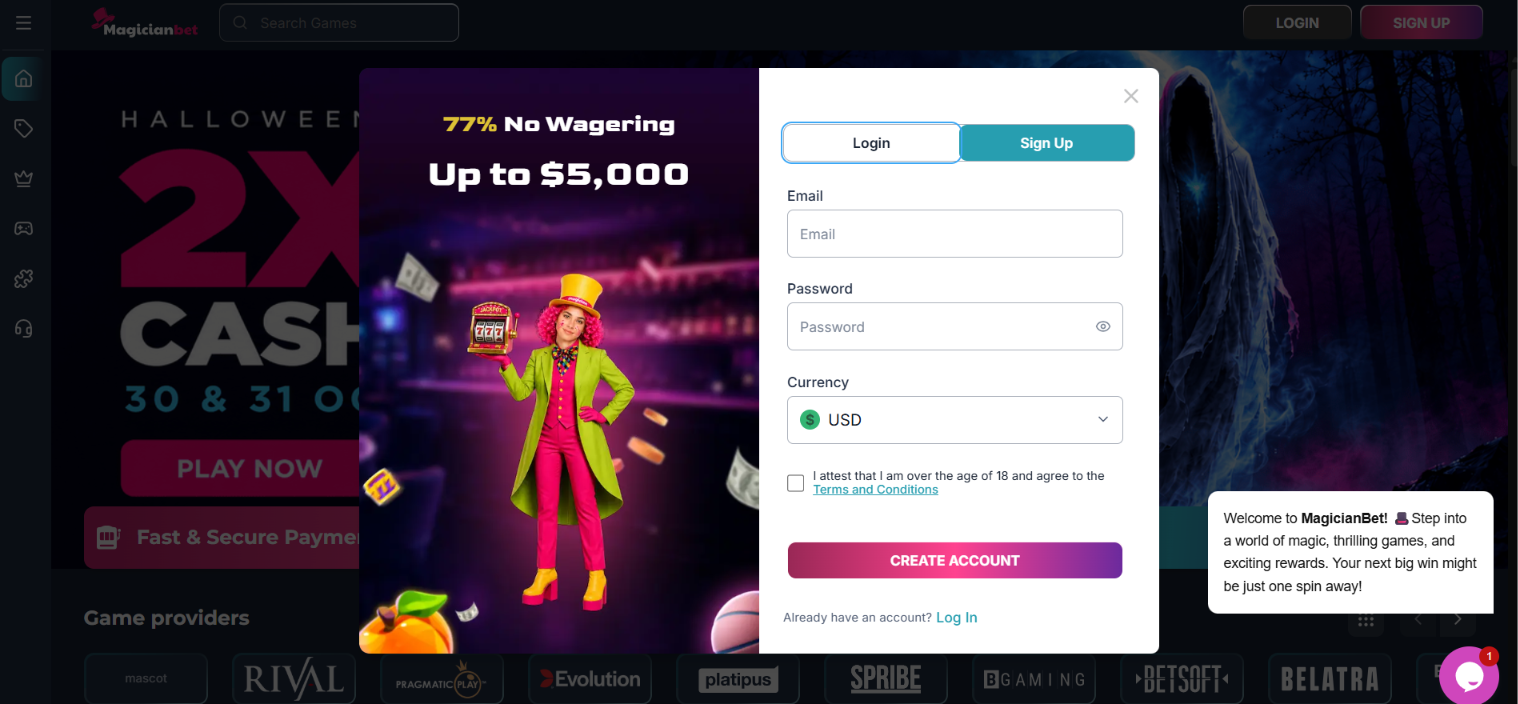
Magicianbet : Cryptocurrency Basics in Cleveland Ohio
Hot Wallets
Hot wallets connect to the internet. They may be available as mobile applications, desktop programs, or browser-based services. They can be convenient for learning and accessing digital assets, but online access creates additional security considerations.
Gold Ring Casino : Cryptocurrency Basics in Cleveland Ohio

Cold Wallets
Cold wallets keep private keys offline or use offline security arrangements. Hardware wallets are a common example. They can reduce exposure to certain online threats, although users must still protect their devices, recovery phrases, and backups.
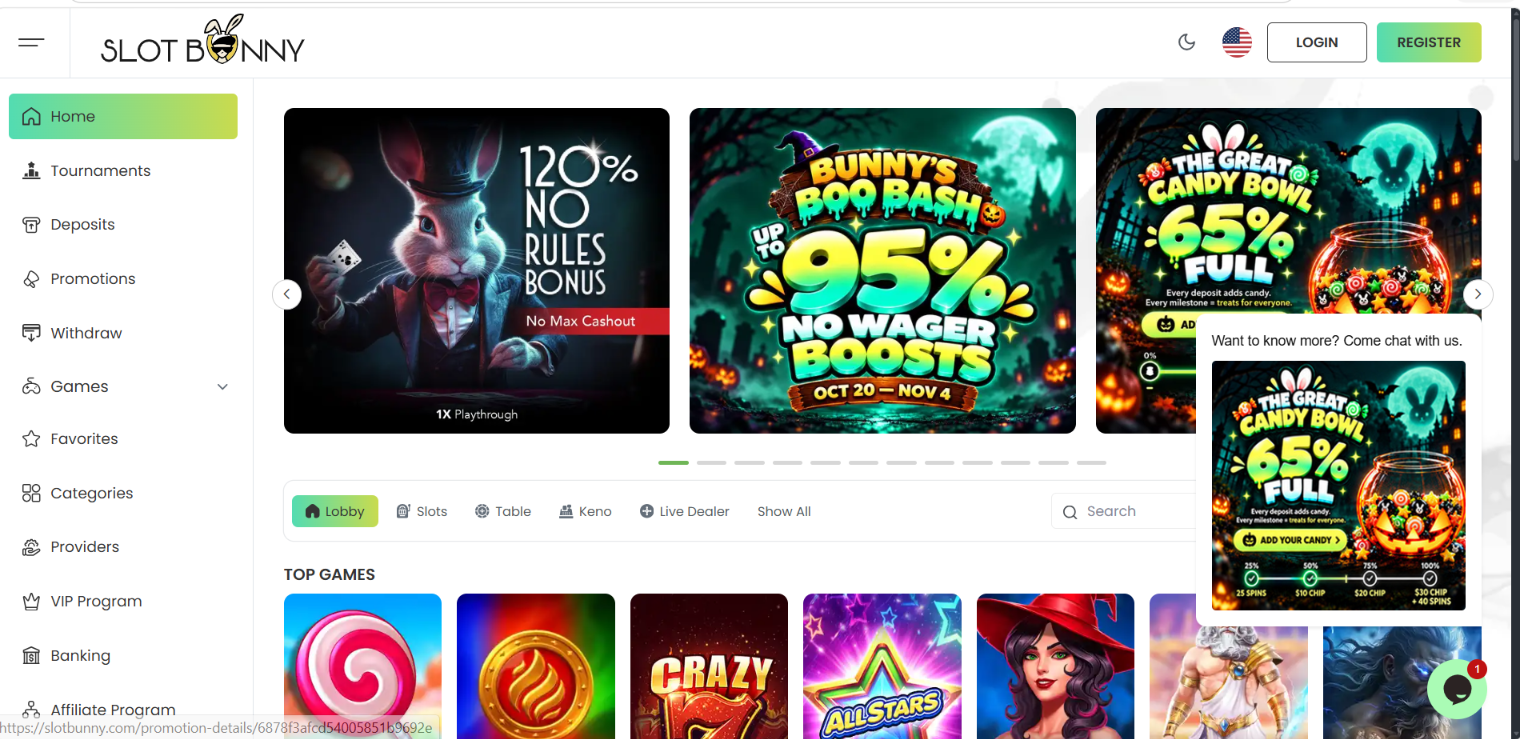
Slotbunny Casino : Cryptocurrency Basics in Cleveland Ohio
A private key or recovery phrase can provide access to cryptocurrency. Never share it with strangers, support agents who request it unexpectedly, or websites promising guaranteed rewards.
At askcryptobonus.com, readers can explore educational resources about wallets, crypto exchanges, and common security practices before deciding which tools suit their needs.
Blockchain Technology Explained
Blockchain is a type of distributed ledger that records information across a network. Depending on its design, a blockchain can make recorded transactions publicly verifiable and difficult to alter retrospectively.
Blockchain technology has applications beyond cryptocurrency. Businesses and developers may use it for smart contracts, tokenization, digital identity experiments, and other distributed applications.
However, not every blockchain project is trustworthy or useful. A project’s technology, governance, security, transparency, and real-world purpose all deserve careful consideration.
People exploring cryptocurrency basics in Cleveland Ohio should understand the difference between learning about blockchain technology and deciding to purchase a digital asset.
Cryptocurrency in Cleveland, Ohio
Cleveland residents can learn about cryptocurrency through online educational resources, technology communities, financial-literacy programs, and blockchain development materials. Local availability of crypto-related services may change, so check current information before visiting a business or using a service.
Before using a cryptocurrency exchange, verify that it operates legally in your jurisdiction and review its security policies, transaction fees, withdrawal rules, and customer support options.
Residents should also be cautious of anyone claiming to offer guaranteed cryptocurrency profits or exclusive investment opportunities. Cryptocurrency prices can change dramatically, and no legitimate educational website can guarantee investment returns.
The purpose of learning cryptocurrency basics in Cleveland Ohio is to build an informed understanding of the technology, not to rush into financial decisions.

Cryptocurrency Exchanges and Transactions
Cryptocurrency exchanges are online platforms that may allow users to buy, sell, or exchange digital assets. Some services offer additional features, including educational materials, price charts, and wallet functionality.
Before choosing an exchange, review these factors:
- Security: Look for strong account protection and clear security policies.
- Fees: Understand trading, deposit, withdrawal, and network fees.
- Supported assets: Confirm which cryptocurrencies and networks are supported.
- Withdrawal policies: Read limits, processing times, and verification requirements.
- Regulatory information: Check the provider’s legal status and relevant consumer protections.
- Customer support: Review available contact methods and complaint procedures.
Never assume that an exchange is safe simply because it has a professional-looking website or advertises a large promotional bonus.
Cryptocurrency Risks and Security Tips
Cryptocurrency offers new ways to interact with digital technology, but it also involves important risks. Prices can be volatile, transactions may be irreversible, and fraudulent platforms can cause financial losses.
Keep these safety principles in mind:
- Use unique passwords and enable multifactor authentication where available.
- Keep recovery phrases private and store backups securely.
- Verify wallet addresses before sending funds.
- Be suspicious of guaranteed returns and urgent payment requests.
- Research platforms independently before trusting them.
- Avoid clicking unfamiliar links in emails, social media messages, or advertisements.
- Understand that losing private keys may mean losing access to assets.
People should never borrow money or risk essential living expenses to experiment with cryptocurrency. Beginners can first focus on educational materials and demonstrations that do not require transferring real funds.
Learn Cryptocurrency with askcryptobonus.com
askcryptobonus.com provides content covering cryptocurrency education, crypto wallet and exchange reviews, crypto casino information, and sportsbook-related topics. Readers can use educational articles to understand terminology, compare platform features, and learn how to recognize common online risks.
When researching a platform or promotional offer, read the terms carefully. Bonuses may include eligibility requirements, wagering conditions, withdrawal restrictions, and geographical limitations. Promotional terms should never be treated as guaranteed financial benefits.
Crypto gambling and sportsbook services also carry financial and legal risks. Check applicable laws and age requirements before accessing any regulated service.
For readers interested in cryptocurrency basics in Cleveland Ohio, the best starting point is education, independent research, and careful evaluation of the information available.
Conclusion
Learning cryptocurrency basics in Cleveland Ohio gives beginners a foundation for understanding digital assets, blockchain networks, cryptocurrency wallets, exchanges, and online security. Although cryptocurrency technology continues to develop, it remains important to evaluate each project and platform independently.
Start by learning the terminology, researching security practices, and understanding the risks before making financial decisions. Visit askcryptobonus.com for more educational content about cryptocurrency concepts, digital wallets, exchanges, and online platform reviews.
Knowledge and caution are essential when navigating the changing world of digital currency.
Frequently Asked Questions (FAQs)
1. What are cryptocurrency basics in Cleveland Ohio?
Cryptocurrency basics in Cleveland Ohio refer to learning about digital currencies, blockchain technology, wallets, exchanges, transaction fees, and security practices relevant to people in the Cleveland area.
2. Is cryptocurrency legal in Cleveland, Ohio?
Cryptocurrency is generally permitted in the United States, subject to applicable federal and Ohio laws. The legal requirements can depend on the activity and service involved. Check current official guidance before using a platform.
3. Which cryptocurrencies should beginners learn about?
Bitcoin and Ethereum are common starting points for understanding cryptocurrency and blockchain technology. Beginners should research their differences, risks, and uses rather than assuming either is suitable for every person.
4. Do I need a cryptocurrency wallet?
A wallet is useful for managing cryptocurrency directly, but the requirements depend on how you interact with digital assets. Some platforms hold assets on behalf of customers, which introduces different risks and responsibilities.
5. How can I protect my cryptocurrency?
Use strong passwords, multifactor authentication, secure backups, and verified wallet addresses. Never reveal your private keys or recovery phrase, and be cautious of unsolicited investment offers.
6. Can cryptocurrency guarantee profits?
No. Cryptocurrency prices can rise or fall substantially, and scams can lead to losses. No cryptocurrency or promotional offer can guarantee a profit.
7. Where can I learn more about cryptocurrency?
You can explore blockchain documentation, reputable educational resources, and beginner guides available through askcryptobonus.com. Compare information from multiple independent sources before making financial decisions.