Sintu Kumar
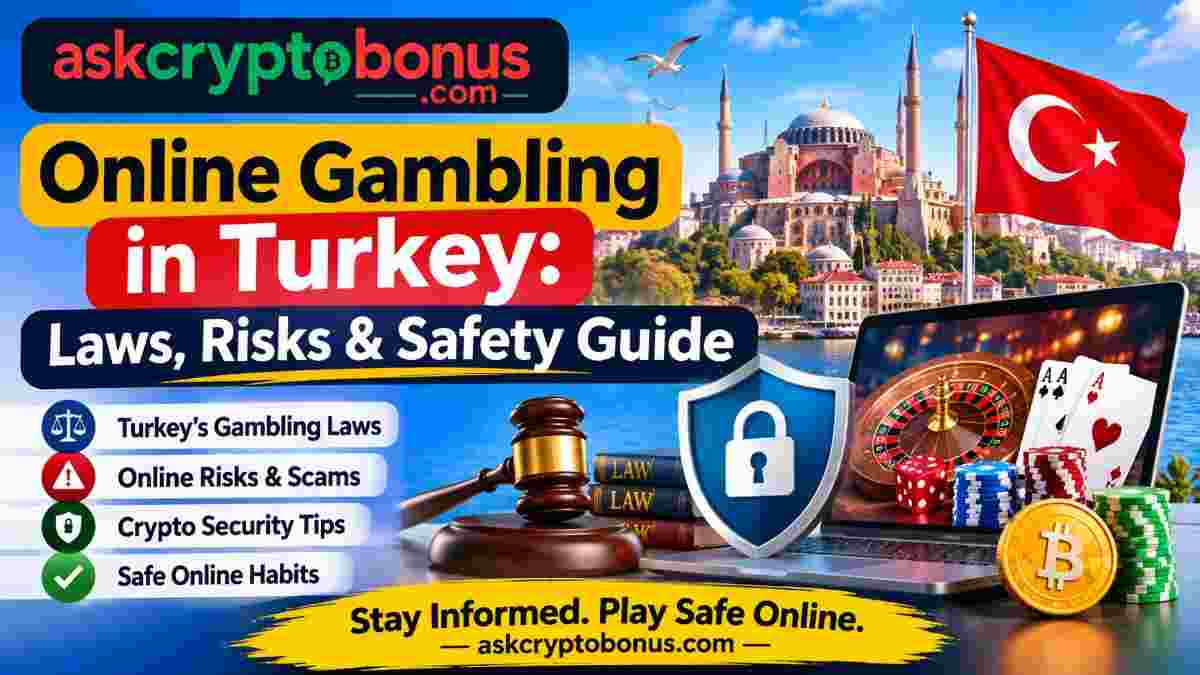
Online Gambling in Turkey: Laws, Risks, and Online Safety Guide
The internet has made it easier than ever to find information about digital entertainment, cryptocurrency, and online financial services. However, not every website is trustworthy, and not every online activity is permitted by law. For people researching online gambling in Turkey, understanding the rules and possible risks is an important first step.
At askcryptobonus.com, we believe readers should have access to clear, useful information before making decisions online. This guide covers Turkey’s online gambling regulations, common website scams, cryptocurrency security, and practical ways to protect personal information.
Learn More About Dicebet
Interested in learning more about Dicebet? Before using any online betting platform, review its terms and conditions, verify its licensing status, and check whether its services are legally available in your location.
Visit Dicebet — Review the Terms and Legal Information
Affiliate disclosure: This article may contain affiliate links. If you visit a service through a qualifying link, askcryptobonus.com may receive a commission at no additional cost to you. Please check applicable laws and understand the risks before making any decisions.
The aim is simple: help readers understand the facts, recognize potential problems, and make better-informed decisions.
Understanding Online Gambling Laws in Turkey
Turkey has specific laws governing games of chance and betting. Some activities operate under authorized systems, while unauthorized gambling services can face legal restrictions.
The legal position depends on the type of activity, the operator, and whether the necessary authorization has been obtained. A website being accessible from Turkey does not automatically mean that its services are legal there.
The Turkish National Lottery Administration, known as Milli Piyango İdaresi, provides official information about games of chance, relevant legislation, and measures against illegal online gambling.
Anyone researching this subject should check current government information instead of relying entirely on old articles, advertisements, or social media posts.
Why Is It Important to Check the Rules?
An online platform may claim to operate legally in another country. It may also display a licence, use professional website design, or advertise services in several languages. None of these details alone proves that the platform is authorized to operate in Turkey.
Before trusting a website’s claims, consider who operates it, which laws apply, and whether its stated licence can be verified through an appropriate official source.
When a legal question could affect your finances or personal circumstances, seeking advice from a qualified legal professional is safer than relying on a general online article.
Common Risks of Online Gambling Websites
Not every website that looks professional is reliable. Some online platforms use attractive advertisements and promotional offers to encourage visitors to make quick decisions.
The problem is that important information may be missing or difficult to understand. Conditions involving payments, refunds, account restrictions, and personal information may not be obvious when someone first visits a website.
Here are some warning signs worth paying attention to.
Promises That Sound Too Good to Be True
Be cautious when a website promises guaranteed profits, risk-free rewards, or an easy way to recover money. Financial outcomes are rarely as certain as promotional messages suggest.
A genuine-looking advertisement is not proof that a claim is accurate. Look for independent evidence before trusting statements involving money.
Unclear Company Information
A trustworthy business should provide understandable information about its identity and the services it offers. If a website hides its ownership, gives inconsistent contact details, or makes claims that cannot be verified, take those signs seriously.
Do not assume that a company is legitimate simply because it has a polished design or positive testimonials.
Pressure to Make Immediate Payments
Some suspicious websites try to create urgency by suggesting that an offer will disappear or an account will be closed unless a payment is made immediately.
Take time to verify the request. A deadline or warning message should not prevent you from checking whether the company and its claims are genuine.
Cryptocurrency and Online Payment Safety
Cryptocurrency is another subject that deserves careful attention when researching digital services. Bitcoin and other digital assets use blockchain technology to record transactions, but that does not make every transaction safe.
One important difference between many cryptocurrency transactions and conventional card payments is that confirmed blockchain transactions are often difficult or impossible to reverse.
If someone sends cryptocurrency to a fraudulent address, recovering the funds may be challenging.
Protect Your Wallet Information
A cryptocurrency wallet may give its owner control over digital assets through private keys or a recovery phrase. Anyone who obtains this information may be able to access the wallet.
Never share your recovery phrase with someone who contacts you unexpectedly and claims to be a support representative. Be particularly careful with messages promising to recover lost funds in exchange for an upfront payment.
Be Careful With Unknown Payment Requests
A person or website may claim that you must pay an additional fee to release money, verify an account, or recover a previous transaction.
Do not assume the request is genuine. Independently verify the organization and the reason for the payment before taking any action.
Understand Cryptocurrency Volatility
The value of a cryptocurrency can change considerably over time. An asset’s value today may be different tomorrow, and there is no guarantee that its price will rise.
Anyone learning about digital assets should understand these risks before making financial decisions. Educational research does not require buying cryptocurrency or participating in gambling.
How to Recognize an Online Scam
Online scams can affect anyone, regardless of their experience with technology. Fraudsters often rely on trust, urgency, and promises of financial rewards.
Recognizing common warning signs can help you avoid unnecessary losses.
Fake customer support: Someone may pretend to represent a company and request passwords, wallet information, or payments.
Misleading testimonials: Reviews displayed on a company’s own website may not provide an independent picture of its reputation.
Suspicious links: Unexpected messages can lead to imitation websites designed to collect personal information.
Unverified business details: A company may display an address or registration number that does not belong to it.
Unexpected fees: Requests for additional payments to release supposed winnings or recover lost money should be treated with caution.
If something seems suspicious, pause before responding. Verify the information through a separate, reliable source rather than using contact details supplied in an unexpected message.
Protecting Your Personal Information
Personal information has value, and sharing it with an unverified website can create problems long after an online interaction has ended.
Identity documents, email addresses, telephone numbers, and financial details should be handled carefully.
There are several straightforward steps that can improve your online security.
Use a unique password for each important account. If one service experiences a data breach, different passwords can help prevent the problem from spreading to other accounts.
Enable multifactor authentication whenever it is available. This adds another layer of protection beyond your password.
Keep your phone, computer, browser, and security software updated. Updates can fix vulnerabilities that criminals might otherwise exploit.
Before submitting personal information, read the website’s privacy policy and consider whether the information being requested is genuinely necessary.
Finally, be careful with files and applications from unfamiliar sources. A download that appears harmless may expose your device to security risks.
These precautions are useful for banking, shopping, cryptocurrency services, social media, and everyday browsing.
Responsible Choices and Financial Well-Being
Online entertainment should not interfere with essential expenses, education, relationships, or personal responsibilities.
Gambling carries financial risks, and some people find it difficult to stop once they begin chasing losses. Promotional messages can make these risks less obvious by focusing on possible rewards rather than potential consequences.
There are plenty of ways to enjoy digital entertainment without wagering money. People can explore free games, learn about blockchain technology, watch sports, study programming, or develop digital design skills.
These activities can provide entertainment and opportunities to learn without requiring financial risk.
If an online activity starts creating financial pressure, take a break and consider speaking with someone you trust. It is especially important not to borrow money or make rushed financial decisions because of a promise of future rewards.
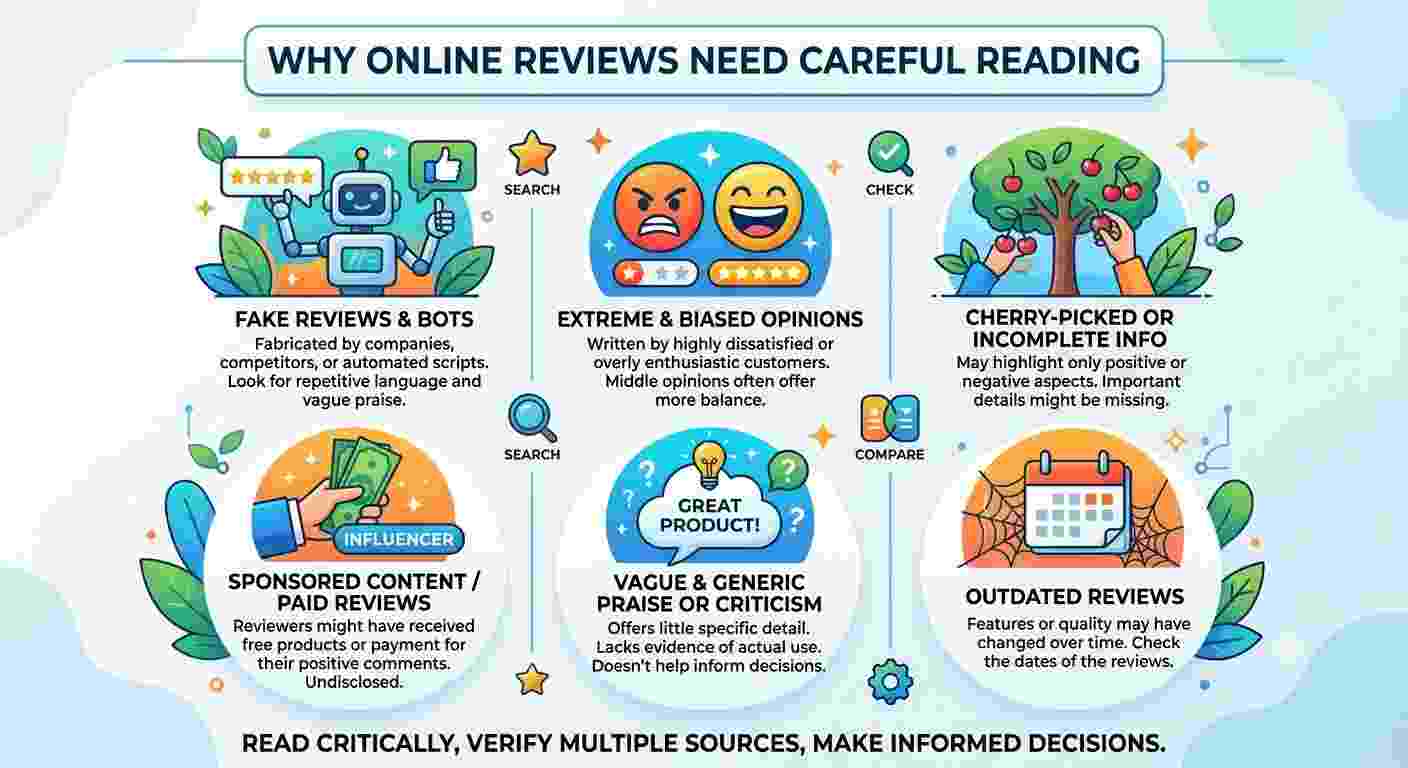
Why Online Reviews Need Careful Reading
Online reviews can help people understand a business, but they should not be treated as proof that a company is safe or legally authorized.
Some reviews may be genuine, while others may be incomplete, biased, or commercially motivated.
When reading reviews, look for specific details and compare information from independent sources. Check whether the reviewer has disclosed a commercial relationship and whether the information is recent.
A high rating does not guarantee that a service follows every applicable law. Similarly, a negative review does not automatically prove that every allegation is correct.
A balanced assessment considers several sources of evidence instead of relying on a single rating or testimonial.
For readers of askcryptobonus.com, this is an important principle when researching cryptocurrency services, digital platforms, and other online businesses.
Advertising and Consumer Protection in Turkey
Advertising plays a major role in how people discover online services. However, advertisements can sometimes contain exaggerated claims or promote activities that are not legally authorized.
Turkey has taken measures against advertising connected with illegal games of chance. The rules and enforcement measures may change, so publishers and readers should consult current official announcements when researching the subject.
Consumers should pay attention to the difference between a promotional statement and a verified fact.
For example, an advertisement might claim that a company is fully authorized or that a financial reward is guaranteed. Such statements should not be accepted without reliable evidence.
Website owners and content publishers also have a responsibility to avoid misleading readers. Important claims should be supported by credible sources, commercial relationships should be disclosed where required, and outdated information should be reviewed.
Clear communication helps readers understand what a service offers and what risks may be involved.
Where to Find Reliable Information About Turkish Laws
When researching online gambling regulations in Turkey, official sources are the best starting point.
The Turkish National Lottery Administration publishes information about relevant legislation and illegal gambling activity. Government announcements and the applicable legal texts can help readers understand the rules more accurately than promotional pages or unverified social media posts.
A practical research process is straightforward:
- Identify the particular activity or legal question.
- Find the relevant official law or government announcement.
- Check the publication date and look for later amendments.
- Read the relevant provisions in context.
- Consult a qualified legal professional if the issue affects an important personal or business decision.
Search engine snippets can be useful for finding information, but they often leave out important details. Opening the original source and reading the relevant section is a better way to understand a legal requirement.
Learning About Blockchain and Digital Security
Blockchain technology is used for digital transactions and other applications. Learning how it works can help people better understand the opportunities and risks associated with cryptocurrency.
A blockchain records transactions according to the rules of a particular network. Some transaction information is publicly visible, but a wallet address does not necessarily reveal the identity of the person controlling it.
This distinction matters. A visible transaction does not automatically prove that a business is legitimate or that a payment is being made for an appropriate purpose.
Readers should also understand transaction fees, network confirmations, wallet security, and the possibility of price fluctuations before making financial decisions involving digital assets.
The best starting point is education. Learning about cryptocurrency does not require purchasing digital assets or taking financial risks.
At askcryptobonus.com, clear educational material can help readers understand these concepts while recognizing that technical knowledge alone cannot eliminate every risk.
Building Safer Online Habits
Staying safe online does not require complicated technical knowledge. A few careful habits can make a meaningful difference.
Before trusting an unfamiliar website, check who operates it and whether its important claims can be verified.
Read the terms and privacy policy before sharing personal information. Be cautious when a service requests unnecessary payments or sensitive documents.
Avoid clicking suspicious links, and never share account passwords or cryptocurrency recovery phrases with strangers.
If you believe you have encountered fraud, preserve relevant messages and transaction records. Contact your bank or service provider promptly if financial information may have been exposed, and report suspected unlawful activity to the appropriate authorities.
No single precaution can prevent every problem, but checking information carefully can reduce the likelihood of avoidable mistakes.
Conclusion
Online gambling regulations, cryptocurrency, and digital security are closely connected topics. Understanding them requires more than reading promotional messages or relying on a website’s appearance.
Turkey has specific rules governing games of chance, betting, and related advertising. The exact legal position depends on the activity and the applicable authorization, so current official information is essential.
Consumers should also understand the risks of misleading advertisements, cryptocurrency transactions, and requests for personal or financial information.
Through askcryptobonus.com, readers can explore educational information about digital services, cryptocurrency security, and consumer protection. Reliable sources, clear explanations, and transparent disclosures help people make better-informed decisions.
The most useful online information does not promise guaranteed results. It explains the facts, acknowledges uncertainty, and gives readers the tools to evaluate claims for themselves.
Frequently Asked Questions
-
Is online gambling legal in Turkey?
Turkey has specific laws governing gambling and betting. Some activities operate through authorized systems, while unauthorized activities are subject to restrictions. The exact position depends on the activity and applicable law. Check current official guidance before drawing conclusions.
-
Which authority provides information about gambling regulations in Turkey?
The Turkish National Lottery Administration, known as Milli Piyango İdaresi, publishes official information about games of chance, relevant legislation, and illegal online gambling.
-
Are overseas gambling websites automatically legal in Turkey?
No. A website’s overseas location or foreign licence does not automatically establish that it is authorized to operate in Turkey. The relevant laws and the particular activity must be considered.
-
How can I recognize a suspicious online website?
Look for unverifiable company details, unrealistic financial promises, unclear terms, pressure to make immediate payments, and requests for sensitive information. Verify important claims independently.
-
Can cryptocurrency transactions be reversed?
Many confirmed cryptocurrency transactions cannot be reversed. Recovering funds sent to a fraudulent address can be difficult, so it is important to verify the recipient before making a payment.
-
How can I protect my personal information online?
Use unique passwords, enable multifactor authentication, keep devices updated, protect cryptocurrency recovery phrases, and avoid sharing sensitive information with unverified websites.
-
Should I trust every online review?
No. Reviews may be biased, incomplete, or commercially motivated. Compare several independent sources and check important claims before relying on them.
-
What should I do if I suspect an online scam?
Stop interacting with the suspicious service, avoid sending additional money, preserve relevant records, and report the matter to the appropriate authorities. Contact your bank or service provider if your financial information may be at risk.
-
Where can I find reliable information about Turkish gambling laws?
Start with official Turkish government sources, the relevant legislation, and publications from the appropriate regulatory authorities. For individual legal concerns, consult a qualified legal professional.
-
What is the purpose of askcryptobonus.com?
The purpose of this article is to provide educational information about digital security, cryptocurrency risks, online consumer protection, and legal awareness. It is not individualized legal advice or an endorsement of gambling services.