Sintu Kumar

Cryptocurrency Security Guide Ohio: Essential Tips to Protect Your Digital Assets
Cryptocurrency is becoming an increasingly popular topic among people interested in digital finance, online payments, and investment opportunities. However, as more individuals explore Bitcoin, Ethereum, and other digital currencies, understanding online security has become essential. Whether you are a beginner or an experienced investor, protecting your digital assets should always be a priority. This cryptocurrency security guide Ohio explains practical ways to secure your crypto wallets, avoid online scams, and make safer decisions when using cryptocurrency.
Find Cryptocurrency Security Guide Ohio:-
| Brand |
Cryptocurrency Security Guide Ohio |
| Magicianbet | |
| Gold Ring Casino | |
| Slotbunny Casino |
For residents of Ohio who are learning about digital currencies, security awareness can help reduce unnecessary risks. Platforms such as askcryptobonus.com can also be useful starting points for exploring cryptocurrency-related information and educational resources.
-
Understand How Cryptocurrency Security Works
Cryptocurrency operates through blockchain technology, which records transactions across a decentralized network. Unlike traditional bank accounts, cryptocurrency wallets give users control over their digital assets through private keys and recovery phrases.
Understanding how these systems work is the first step toward better protection. Anyone following a cryptocurrency security guide Ohio should learn the difference between public wallet addresses and private keys.
A public address allows other people to send cryptocurrency to your wallet. A private key provides access to your funds and should never be shared. If someone obtains your private key or recovery phrase, they may gain control of your assets.
Always store sensitive wallet information securely and avoid sharing it through email, messaging applications, or social media.
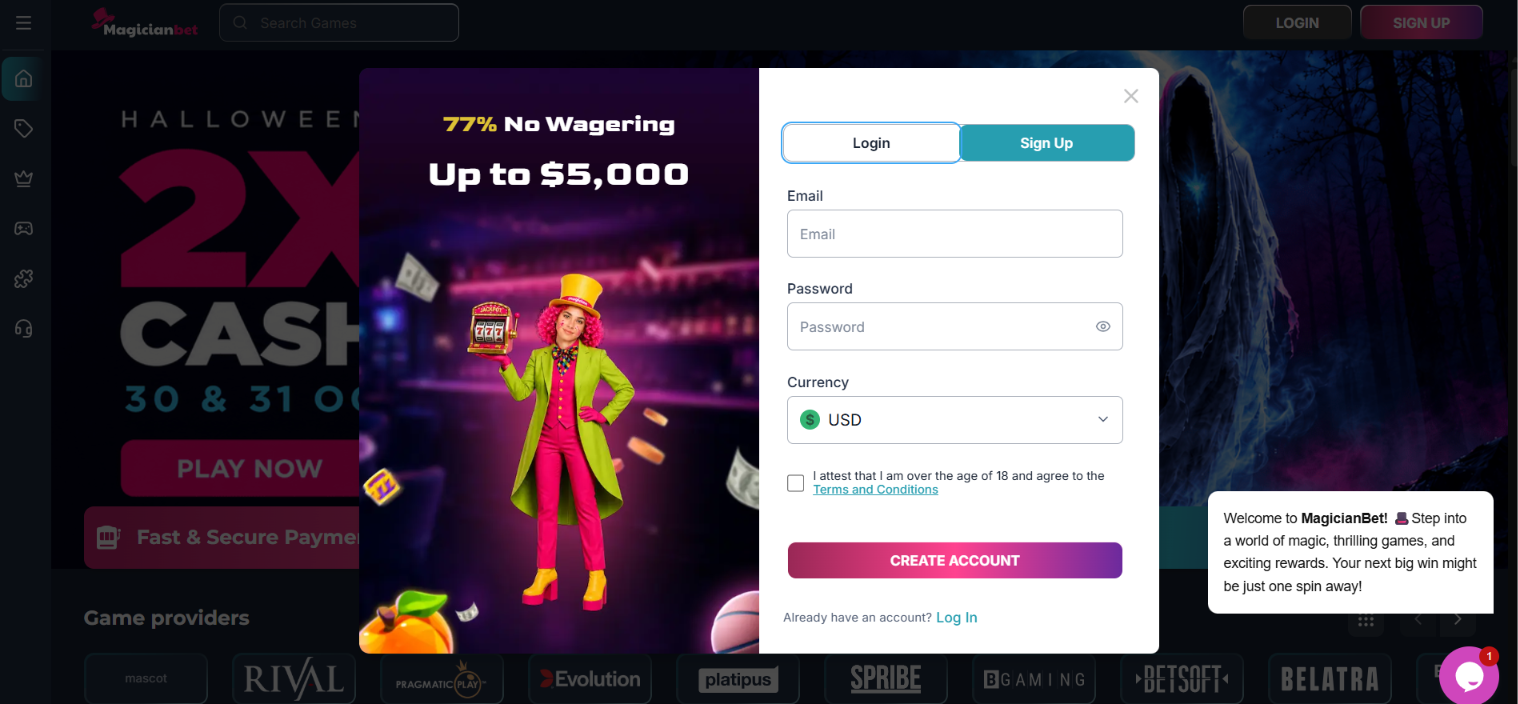
Magicianbet : Cryptocurrency Security Guide Ohio
-
Choose a Reliable Cryptocurrency Wallet
Selecting a trustworthy wallet is one of the most important decisions for cryptocurrency users. Wallets generally fall into two categories: hot wallets and cold wallets.
Hot Wallets: These wallets connect to the internet and are commonly available through mobile applications, desktop software, and browser extensions. They are convenient for frequent transactions but may be exposed to online threats.
Cold Wallets: These wallets store private keys offline, often using dedicated hardware devices. They can provide additional protection against remote hacking attempts and are commonly considered for long-term storage.
A good cryptocurrency security guide Ohio should encourage users to choose a wallet based on their needs, transaction habits, and security preferences.
Before downloading any wallet, verify its official website, developer information, reputation, and security features.
Gold Ring Casino : Cryptocurrency Security Guide Ohio

-
Use Strong Passwords and Two-Factor Authentication
Weak passwords can make cryptocurrency accounts vulnerable to unauthorized access. Avoid using simple passwords, birthdays, names, or information that someone could easily guess.
Create a unique password for every cryptocurrency-related account. A password manager can help generate and securely store complex passwords.
You should also enable two-factor authentication (2FA) wherever available. This security feature requires an additional verification step when accessing an account.
Whenever possible, consider using an authenticator application or hardware security key rather than relying exclusively on SMS verification.
These precautions are important for anyone following a cryptocurrency security guide Ohio because an additional authentication layer can make unauthorized account access more difficult.
Slotbunny Casino : Cryptocurrency Security Guide Ohio

-
Recognize Common Cryptocurrency Scams
Cryptocurrency scams are a major concern for digital asset users. Fraudsters often use fake investment opportunities, impersonation, phishing emails, and misleading social media promotions to steal funds.
Some common warning signs include:
- Guaranteed cryptocurrency profits or unusually high returns.
- Messages asking for private keys or wallet recovery phrases.
- Fake cryptocurrency giveaways promoted through social media.
- Suspicious websites pretending to represent legitimate exchanges.
- Unexpected requests to transfer cryptocurrency.
- Investment opportunities that pressure people to act immediately.
Ohio consumers should be particularly cautious about requests to pay government fines, utility bills, or unexpected fees using cryptocurrency.
According to Ohio consumer protection guidance, people should verify suspicious communications and avoid sending cryptocurrency to strangers.
A cryptocurrency security guide Ohio should always emphasize that legitimate investment opportunities do not guarantee profits.
-
Keep Your Devices and Software Updated
Your computer and smartphone are important parts of your cryptocurrency security system. Outdated operating systems, browsers, wallet applications, and antivirus software can expose devices to security vulnerabilities.
Enable automatic updates whenever possible. Download cryptocurrency applications only from official sources, and avoid opening unknown attachments or suspicious links.
Using a trusted security solution and securing your home Wi-Fi network can provide additional protection.
If you frequently access cryptocurrency accounts through public Wi-Fi, avoid conducting sensitive transactions on unsecured networks. A secure private connection is generally a safer choice.
-
Verify Every Cryptocurrency Transaction
Blockchain transactions are generally difficult or impossible to reverse once confirmed. Therefore, checking transaction details before sending cryptocurrency is extremely important.
Before approving a transfer:
- Verify the recipient’s wallet address.
- Confirm that the selected blockchain network is correct.
- Check the transaction amount.
- Review the network fee.
- Confirm that the recipient is trustworthy.
For large transfers, consider sending a small test transaction first, when appropriate.
Following these steps can reduce mistakes and help protect your funds. This is another essential recommendation in any cryptocurrency security guide Ohio for beginners.
-
Research Cryptocurrency Exchanges Before Investing
Cryptocurrency exchanges allow users to buy, sell, and exchange digital assets. However, not every platform offers the same level of security, transparency, or consumer protection.
Before creating an account, investigate the company’s background, security policies, withdrawal procedures, customer support, and applicable licensing requirements.
Ohio residents can consult the Ohio Department of Commerce’s Division of Financial Institutions for consumer information and relevant licensing resources.
Remember that cryptocurrency accounts are not automatically protected by FDIC deposit insurance. Digital assets carry risks that are different from traditional bank deposits.
For additional educational information about cryptocurrency safety and digital finance, users can explore askcryptobonus.com.
-
What Should You Do If You Suspect a Cryptocurrency Scam?
If you believe your cryptocurrency wallet or exchange account has been compromised, act quickly.
First, stop communicating with the suspicious individual or website. If your exchange account may be affected, contact its official support team and follow its account-security procedures.
Change compromised passwords, revoke suspicious wallet connections and token approvals where possible, and secure any remaining digital assets.
Preserve transaction IDs, wallet addresses, emails, messages, and screenshots as evidence.
You can also report suspected cryptocurrency fraud to the Federal Trade Commission (FTC), the FBI’s Internet Crime Complaint Center (IC3), and the appropriate Ohio consumer protection authorities.
Be cautious of recovery services that promise to retrieve stolen cryptocurrency in exchange for an upfront payment. These offers may be additional scams.

Conclusion
Cryptocurrency offers new possibilities in digital finance, but protecting digital assets requires knowledge, attention, and consistent security practices. From choosing reliable wallets to enabling two-factor authentication and recognizing fraudulent investment offers, every precaution matters.
This cryptocurrency security guide Ohio highlights practical steps that beginners and experienced users can follow to reduce common digital asset risks. By researching platforms, protecting private keys, and verifying every transaction, Ohio residents can develop safer cryptocurrency habits.
For more cryptocurrency-related educational information, market insights, and beginner-friendly resources, visit askcryptobonus.com and continue learning about responsible digital asset management.
Frequently Asked Questions (FAQs)
-
Why is cryptocurrency security important in Ohio?
Cryptocurrency security is important because digital assets can be vulnerable to phishing, hacking, fraudulent investment schemes, and wallet theft. Strong security practices help Ohio users protect their funds and personal information.
-
What is the safest way to store cryptocurrency?
Hardware wallets and other cold-storage solutions can reduce exposure to online attacks. However, users must still protect recovery phrases, secure their devices, and follow safe backup practices.
-
Can cryptocurrency transactions be reversed?
Most confirmed blockchain transactions cannot be reversed. This is why users should carefully verify wallet addresses, transaction amounts, and networks before sending funds.
-
How can I identify a cryptocurrency scam?
Watch for guaranteed returns, urgent payment demands, fake giveaways, suspicious links, and requests for private keys. Always independently verify the identity of the person or company contacting you.
-
Where can beginners learn about cryptocurrency security?
Beginners can explore educational resources from government consumer protection agencies, established cybersecurity organizations, and cryptocurrency information platforms such as askcryptobonus.com.
-
Is cryptocurrency insured like money in a bank account?
No. Cryptocurrency holdings are not automatically covered by FDIC deposit insurance or federal credit union share insurance. Users should understand the risks before purchasing or storing digital assets.