Sintu Kumar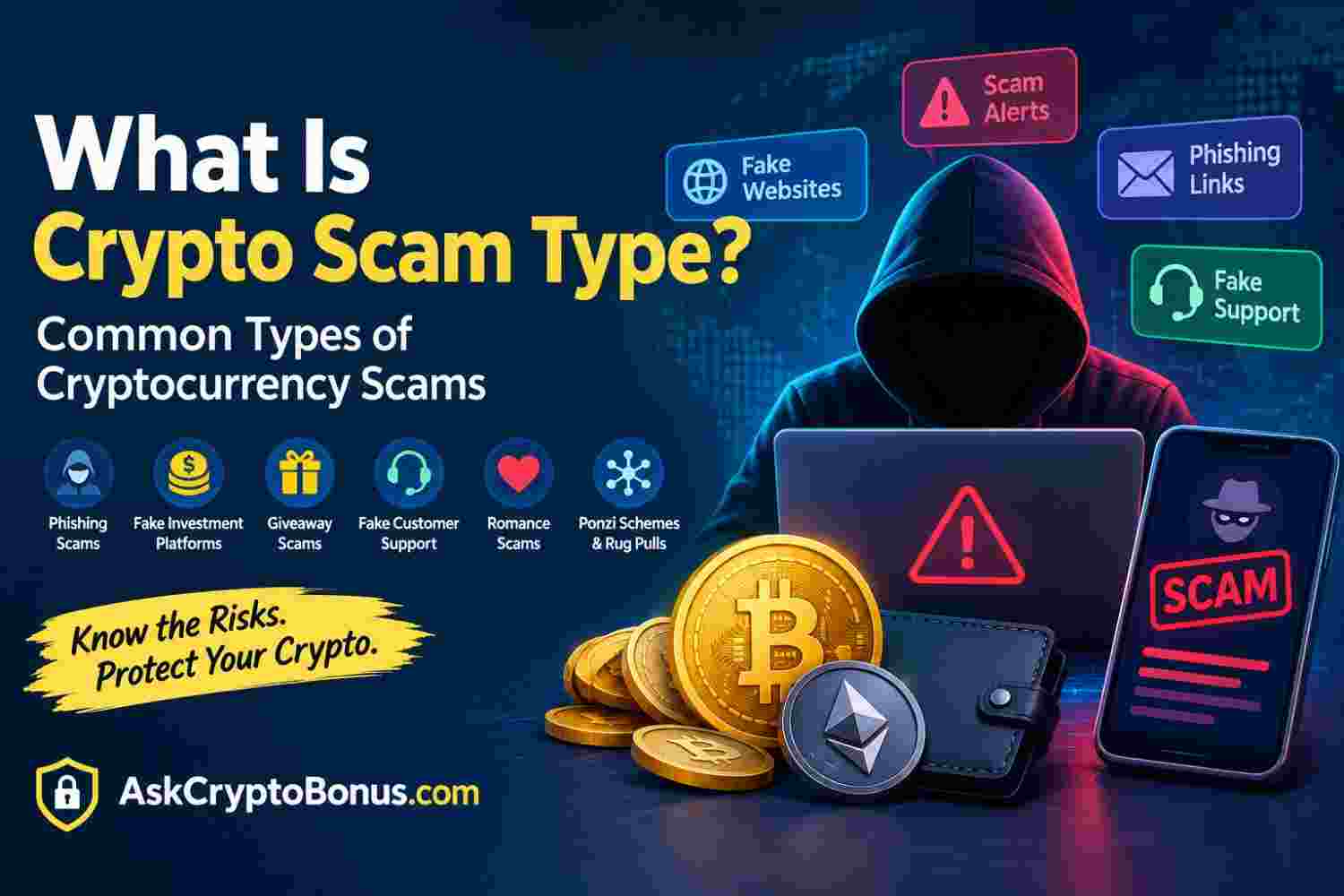
What Is Crypto Scam Type? Common Types of Cryptocurrency Scams
Cryptocurrency has become a popular way to send, receive, and invest money online. However, the growing popularity of digital assets has also attracted scammers. Understanding what is crypto scam type can help users recognize suspicious activities and protect their cryptocurrency accounts, wallets, and personal information.
A crypto scam type refers to a particular method scammers use to deceive people and obtain cryptocurrency, account credentials, private keys, or sensitive information. These scams can appear through websites, social media, messaging apps, emails, fake investment platforms, or impersonation schemes.
In this guide, we explain what is crypto scam type, the most common forms of crypto fraud, warning signs to watch for, and practical ways to stay safer.
What Is Crypto Scam Type?
The phrase what is crypto scam type refers to the different categories of scams involving cryptocurrencies and blockchain-related services. Each scam type uses a different technique, but the goal is generally to trick victims into sending funds or revealing information.
Unlike traditional financial fraud, cryptocurrency transactions can be difficult or impossible to reverse once confirmed. This makes it especially important to verify websites, wallet addresses, investment opportunities, and messages before taking action.
Common Crypto Scam Types
Understanding common scam categories is one of the easiest ways to identify suspicious activity.
- Phishing Scams
Phishing is one of the most common crypto scams. A scammer may create a fake cryptocurrency exchange, wallet website, email, or login page that looks legitimate.
The victim is encouraged to enter a username, password, seed phrase, or private key. The scammer then uses the information to access the victim’s account or wallet.
Always check the website address carefully and avoid entering recovery phrases into websites reached through unsolicited links.
- Fake Crypto Investment Platforms
Fake investment platforms promise unusually high or guaranteed returns. They may display fabricated account balances or profits to convince users that their investments are growing.
Eventually, the platform may demand additional fees before allowing a withdrawal. In many cases, the supposed investment platform is designed only to collect deposits.
Be particularly cautious when someone guarantees profits or pressures you to deposit cryptocurrency quickly.
- Cryptocurrency Giveaway Scams
Giveaway scams often impersonate celebrities, cryptocurrency companies, influencers, or other well-known figures.
A scammer may claim that users will receive free cryptocurrency if they first send a certain amount to a wallet address. Legitimate giveaways generally do not require you to send cryptocurrency to receive a larger amount in return.
Verify promotions through official communication channels before participating.
- Fake Customer Support Scams
Scammers may pretend to work for an exchange, wallet provider, or cryptocurrency company. They can contact users through social media, messaging platforms, or fake support accounts.
The scammer may request passwords, authentication codes, private keys, or recovery phrases.
Legitimate customer support should not require your wallet’s seed phrase or private key. Never share these credentials with someone claiming to provide technical assistance.
- Romance and Social Engineering Scams
In romance scams, criminals build a relationship with victims through social media or dating platforms. After establishing trust, they introduce cryptocurrency investment opportunities or request digital assets for an emergency.
The emotional relationship is used as a tool to encourage financial transfers.
Be cautious when an online contact asks you to send cryptocurrency, invest through a platform they recommend, or share sensitive financial information.
- Ponzi and Pyramid-Style Crypto Schemes
Some fraudulent cryptocurrency schemes depend on money from new participants to provide apparent returns to earlier participants.
These schemes may advertise referral bonuses, unrealistic profits, or guaranteed income. When new deposits slow down, the system can collapse and participants may lose their funds.
A business model that depends heavily on recruiting new investors should be investigated carefully.
- Rug Pull Scams
A rug pull can occur when developers create a cryptocurrency project, attract buyers and liquidity, and then remove funds or abandon the project.
These scams can involve tokens, decentralized finance projects, or NFT-related ventures.
Before purchasing an unfamiliar token, research its developers, documentation, smart contracts, liquidity arrangements, and community activity.
Warning Signs of a Crypto Scam
Knowing what is crypto scam type is useful, but recognizing warning signs is equally important.
Common red flags include:
- Guaranteed or unusually high returns
- Pressure to invest immediately
- Requests for private keys or seed phrases
- Unsolicited investment offers
- Fake customer-support accounts
- Suspicious website domains
- Requests to pay withdrawal or release fees
- Promises of free cryptocurrency in exchange for an upfront payment
- Anonymous or unverifiable project teams
- Instructions to bypass normal security procedures
One warning sign does not automatically prove that an offer is fraudulent, but several warning signs together should encourage additional verification.
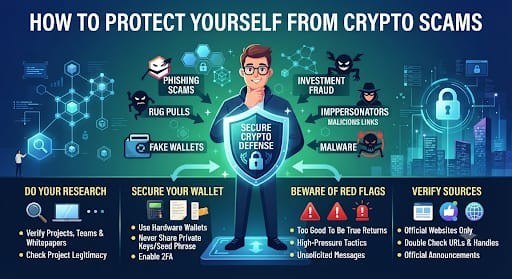
How to Protect Yourself From Crypto Scams
After learning what is crypto scam type, users should focus on basic security practices.
First, never share your private key or recovery phrase. These credentials can provide control over cryptocurrency stored in a wallet.
Second, use strong and unique passwords for cryptocurrency accounts. Enable two-factor authentication where available.
Third, verify website addresses before logging in. Avoid clicking suspicious links received through unsolicited emails or direct messages.
Fourth, research investment opportunities independently. Do not rely solely on promotional claims, testimonials, screenshots, or social-media posts.
Finally, take your time. Scammers often create urgency to prevent victims from investigating an offer.
How AskCryptoBonus.com Can Help
AskCryptoBonus.com can be used as an educational resource for people researching cryptocurrency-related topics, security risks, scams, and online crypto platforms.
When researching any cryptocurrency opportunity, users should still conduct independent verification and consult official sources. Educational information should not replace careful financial research or security practices.
What to Do If You Encounter a Crypto Scam
If you believe you have interacted with a crypto scam, stop communicating with the suspected scammer and avoid sending additional funds.
Change compromised passwords and enable two-factor authentication where possible. If your wallet recovery phrase or private key has been exposed, consider the wallet compromised and follow appropriate wallet-security procedures.
Keep records of transaction IDs, wallet addresses, messages, emails, website addresses, and screenshots. These details may be useful when reporting the incident to the relevant exchange, platform, or authorities.
Remember that scammers may claim they can recover your lost cryptocurrency for an upfront payment. These “recovery” offers can themselves be scams.
FAQ About Crypto Scam Types
What is crypto scam type?
What is crypto scam type refers to the different categories of fraudulent activity involving cryptocurrency. Examples include phishing, fake investment platforms, giveaway scams, impersonation, romance scams, and rug pulls.
What is the most common crypto scam?
Phishing and impersonation scams are common because scammers can use fake websites, messages, and support accounts to obtain sensitive information or cryptocurrency.
Can crypto transactions be reversed?
Many cryptocurrency transactions are designed to be irreversible once confirmed on a blockchain. Always verify the recipient address and transaction details before sending funds.
Should I share my crypto seed phrase with customer support?
No. A legitimate support representative should not need your wallet’s recovery phrase or private key. Treat these credentials as highly sensitive.
How can I identify a fake crypto website?
Check the domain carefully, look for suspicious spelling or unusual URLs, verify the platform through official channels, and avoid entering sensitive information after clicking unsolicited links.
Is every crypto investment opportunity a scam?
No. Cryptocurrency includes legitimate projects and services, but users should independently research opportunities and understand the associated risks before sending funds or investing.
Final Thoughts
Understanding what is crypto scam type can make it easier to recognize fraudulent cryptocurrency activity. Phishing, fake investment platforms, giveaway scams, fake customer support, romance scams, Ponzi-style schemes, and rug pulls are among the methods scammers may use.
The safest approach is to verify information independently, protect private credentials, avoid guaranteed-profit promises, and never rush into a cryptocurrency transaction. Resources such as AskCryptoBonus.com can provide educational information, while users should always perform their own verification before making financial decisions.